 TRUSTED PLASTERING SPECIALIST WITH MORE THAN 20 YEARS EXPERIENCE


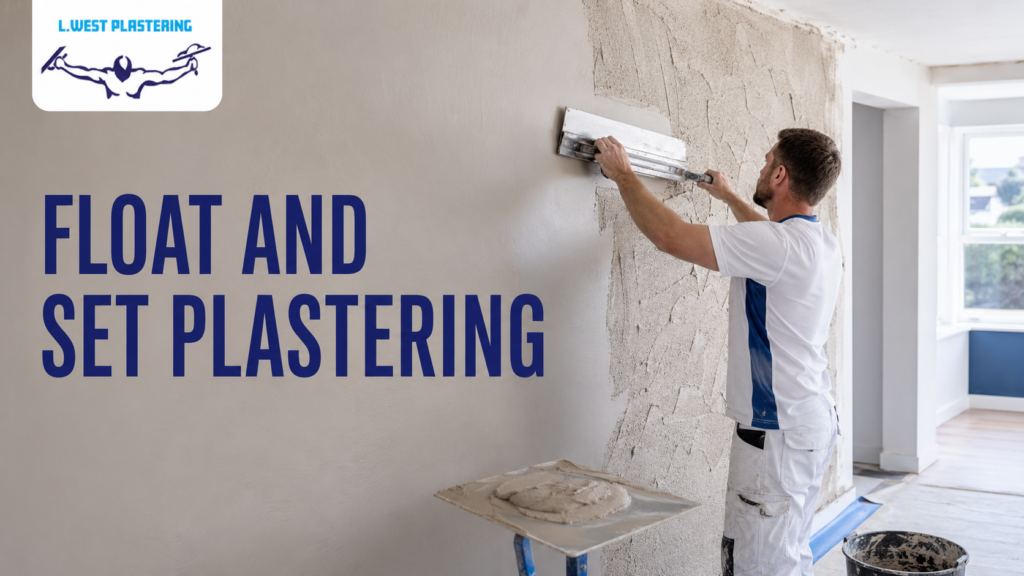
The quality of plasterwork can make a significant difference to the appearance and durability of an interior. Uneven walls, damaged masonry and poorly finished surfaces can remain noticeable even after decorating. Float and Set plastering provides a reliable solution by creating a level, solid background followed by a smooth finish ready for paint or wallpaper.
At L. West Plastering Ltd, we provide professional Float and Set plastering services for homeowners across Eastleigh, Southampton, Winchester and surrounding areas of Hampshire. With over 20 years of experience, our team uses proven plastering techniques to achieve straight, durable and professionally finished walls.
What Is Float and Set Plastering?
Float and Set is a traditional two-stage method of internal plastering. It is generally applied directly to masonry backgrounds such as brickwork, concrete blocks or other suitable solid walls.
The first layer is known as the float coat. This backing coat is applied at a suitable thickness to level the underlying surface, fill irregularities and create a strong base. Depending on the wall and project requirements, it may consist of sand and cement or an appropriate gypsum-based backing plaster.
Once the float coat has been correctly levelled and prepared, a thinner finishing layer called the set coat is applied. This final coat is carefully worked and trowelled to create a clean, smooth surface suitable for decorating after it has dried fully.
Together, these two coats produce a robust plastered wall with a high-quality finish.
Why Is the First Coat Called a Float Coat?
The name comes from the tool and technique used to level the backing plaster. After the material has been applied, a plastering float and straight edge are used to spread, flatten and straighten the surface.
This stage is essential because the finishing coat is relatively thin. It cannot correct major hollows, bumps or variations in the wall underneath. The accuracy of the float coat therefore has a direct effect on the quality of the completed surface.
A professionally applied float coat creates:
- A straight and even background
- Consistent coverage across the wall
- Defined corners and edges
- A suitable key for the finishing plaster
- A stable base for the final set coat
Careful preparation and levelling at this stage help prevent defects from remaining visible after decoration.
Where Can Float and Set Plastering Be Used?
Float and Set plastering is commonly used on internal masonry walls. It is particularly useful where the underlying surface is uneven or where a strong traditional plaster system is preferred.
It may be suitable for:
- Renovation projects
- Property refurbishments
- New-build masonry walls
- Home extensions
- Older properties with damaged plaster
- Walls stripped back to brick or block
- Internal alterations
- Kitchens and living spaces
- Hallways and bedrooms
- Commercial interiors
The correct plastering system depends on the background, moisture conditions and intended use of the room. Before beginning work, an experienced plasterer should inspect the wall and determine which preparation and materials are appropriate.
The Float and Set Plastering Process
Achieving a durable and attractive result requires more than simply applying plaster to the wall. Each stage must be completed carefully and in the correct order.
1. Inspecting the Wall
The existing surface is assessed for loose material, dust, contamination, excessive suction and visible damage. Any unsuitable plaster or debris may need to be removed before the new system is applied.
This inspection also helps determine whether repairs, bonding agents or specialist preparation will be required.
2. Preparing the Surface
The wall must provide a suitable background for the plaster. Preparation may involve cleaning the surface, controlling suction and applying a bonding agent where necessary.
Correct preparation reduces the risk of the plaster drying too quickly, losing adhesion or performing inconsistently across the wall.
3. Installing Beads
Angle beads are fitted around external corners, reveals and other exposed edges. They help create straight lines, protect vulnerable corners and provide a guide for the plaster thickness.
The beads must be positioned accurately because their alignment influences the final shape of the wall.
4. Applying the Float Coat
The selected backing plaster is mixed and applied across the prepared surface. It is then ruled and levelled to remove high spots, fill low areas and create a flat background.
This stage demands experience, particularly when correcting significantly uneven masonry. The plasterer must achieve a consistent plane while maintaining suitable thickness and adhesion.
5. Preparing the Backing Coat
Before the finishing coat is added, the float coat is prepared to provide an effective mechanical key. The exact method and timing depend on the materials being used.
The backing coat must reach the correct condition before the next stage. Applying the finish too early or too late can affect adhesion and the quality of the result.
6. Applying the Set Coat
A smooth finishing plaster is applied over the prepared backing coat. It is worked in controlled stages and carefully trowelled as it begins to firm.
The aim is to produce a consistent surface without visible ridges, hollows or rough areas. Once fully dry, the wall will be ready for appropriate preparation and decoration.
Benefits of Float and Set Plastering
Float and Set remains a trusted plastering method because it combines strength with a high-quality decorative finish.
Strong and Durable Construction
The substantial backing coat creates a solid wall surface capable of withstanding the demands of everyday domestic use. When correctly specified and applied, it provides a dependable long-term finish.
Corrects Uneven Masonry
Brickwork and blockwork are not always perfectly level. The float coat allows an experienced plasterer to compensate for variations and produce a straighter internal wall.
Smooth Finish for Decorating
The set coat creates a clean surface suitable for painting or wallpapering once the plaster has dried and been prepared correctly.
Neat Corners and Edges
Carefully installed beads and accurate plastering help create well-defined corners, window reveals and other architectural details.
Suitable for Different Projects
Float and Set can be used during renovations, extensions, refurbishments and new construction, making it a versatile choice for many masonry properties.
Float and Set Versus Plaster Skimming
Skimming involves applying a thin finishing coat over an existing surface, such as sound plaster or plasterboard. It is useful when the background is already reasonably flat and stable but requires a smoother finish.
Float and Set involves creating both the level backing coat and the final finish. It is therefore more suitable when walls have been taken back to masonry or when significant unevenness cannot be corrected through skimming alone.
The correct choice depends on the condition of the wall. Applying a skim coat over a poor, loose or severely uneven background will not resolve the underlying problem. A professional inspection can establish whether skimming is sufficient or a complete Float and Set system is required.
How Long Does Float and Set Plaster Take to Dry?
Drying time varies according to the plastering materials, coat thickness, wall conditions, room temperature and ventilation. The finished wall should be allowed to dry naturally before decorating.
Fresh plaster typically changes from a darker colour to a more uniform pale shade as moisture leaves the surface. Painting too soon can trap moisture and affect the appearance or adhesion of the paint.
The room should be ventilated appropriately, but excessive heat should not be directed at newly plastered walls to force rapid drying. Your plasterer can provide guidance based on the materials used and conditions within the property.
Why Professional Workmanship Matters
Float and Set plastering requires accuracy at every stage. Poor preparation, incorrect mixing or inadequate levelling may lead to uneven walls, cracking, weak adhesion or a finish that remains visible beneath paint.
An experienced plasterer understands how to assess different backgrounds, control suction and work with the materials at the correct time. Professional workmanship also ensures that corners, reveals and junctions are completed neatly.
At L. West Plastering Ltd, we bring over 20 years of experience to every project. We work carefully from the initial preparation through to the final trowelling, delivering strong, smooth walls finished to a high standard.
Professional Float and Set Plastering in Hampshire
Whether you are renovating an older property, building an extension or preparing newly constructed masonry walls, Float and Set plastering can provide a durable and attractive interior finish.
L. West Plastering Ltd serves homeowners across Eastleigh, Southampton, Winchester and the surrounding Hampshire areas. Our team can assess your walls, recommend the most appropriate plastering system and complete the work with close attention to detail.
Contact L. West Plastering Ltd today to discuss your Float and Set plastering requirements and arrange a professional quotation.

