 TRUSTED PLASTERING SPECIALIST WITH MORE THAN 20 YEARS EXPERIENCE


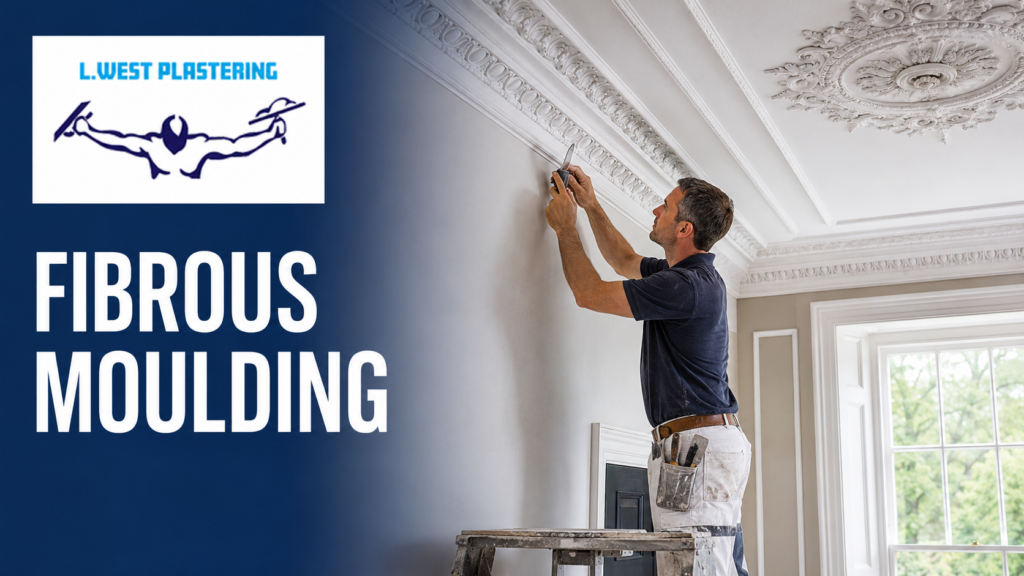
Decorative plasterwork can transform an ordinary interior into a space filled with character, elegance and architectural detail. From traditional ceiling roses and ornate cornices to bespoke mouldings designed for a modern property, fibrous plaster features provide a refined finish that can complement many different styles of building.
At L. West Plastering Ltd, we provide expert fibrous moulding services for homeowners, heritage properties and commercial buildings across Eastleigh, Southampton, Winchester, Romsey and the wider Hampshire region. With over 20 years of experience, we create, install and restore decorative plaster mouldings using skilled techniques and close attention to detail.
What Is Fibrous Moulding?
Fibrous moulding is a specialist plastering technique used to produce decorative architectural features. The process usually involves casting plaster within a prepared mould and reinforcing it with materials that provide additional strength while keeping the finished section relatively lightweight.
Unlike decorative details shaped directly onto a wall or ceiling, fibrous plaster components can be carefully manufactured before being installed in their final position. This makes it possible to reproduce detailed patterns consistently and create features that fit the proportions and character of a particular room.
Fibrous moulding can be used to produce:
- Decorative cornices and coving
- Ceiling roses and centrepieces
- Wall panels and moulded borders
- Corbels, brackets and columns
- Arches and decorative surrounds
- Ceiling ribs and feature sections
- Pilasters and capitals
- Bespoke architectural mouldings
- Replacement sections for damaged plasterwork
The design may be simple and understated or highly decorative, depending on the age, style and purpose of the building.
Why Choose Fibrous Plaster Mouldings?
Fibrous plaster is valued for its ability to reproduce fine detail while creating a clean and high-quality finish. It can be used to introduce traditional character into a newer home or restore missing features within an older property.
Its main benefits include:
- Sharp and well-defined decorative detail
- A refined finish suitable for painting
- The ability to reproduce existing profiles
- Versatility across traditional and contemporary interiors
- Relatively lightweight construction
- Suitability for bespoke decorative designs
- Consistent patterns across longer sections
- Effective restoration of damaged or missing mouldings
Professionally designed plasterwork can also help different parts of a room feel visually connected. A correctly proportioned cornice, for example, creates a smooth transition between the walls and ceiling while adding depth and architectural interest.
Popular Types of Decorative Plasterwork
Different fibrous mouldings serve different decorative and architectural purposes. The right choice depends on the size of the room, ceiling height, existing features and overall interior style.
Cornices and Decorative Coving
Cornices are fitted where the walls meet the ceiling. They may feature simple lines, stepped profiles or intricate period patterns. Decorative cornicing can soften the junction between surfaces and make a room appear more complete.
When selecting a cornice, proportion is important. A large, ornate design may suit a spacious room with a high ceiling, while a smaller profile is often more appropriate for a compact modern interior.
Ceiling Roses
A ceiling rose creates a decorative centrepiece around a pendant light or chandelier. Designs range from simple circular profiles to elaborate floral and geometric patterns.
The ceiling rose should be selected according to the size of the room and the style of the lighting fixture. A professionally installed feature can draw attention upwards and create a strong focal point without overwhelming the space.
Corbels and Brackets
Decorative corbels may be installed beneath beams, shelves, arches or other architectural elements. Although traditional corbels were sometimes structural, modern fibrous plaster versions are generally used for visual detail.
Panels, Borders and Wall Features
Fibrous mouldings can be used to create wall panels, borders and decorative framing. These features add depth to plain walls and can complement both traditional and contemporary design schemes.
Fibrous Moulding for Heritage Properties
Period and heritage buildings often contain decorative plasterwork that contributes significantly to their architectural character. Unfortunately, original mouldings may become cracked, damaged or incomplete because of water ingress, structural movement, previous alterations or general age.
Removing all the existing plasterwork is not always necessary. Where possible, damaged sections may be carefully repaired or accurately reproduced to match the original design.
Restoration work can involve:
- Assessing the condition of existing mouldings
- Stabilising loose or vulnerable sections
- Taking a profile or impression from an intact area
- Creating a mould that reproduces the original detail
- Manufacturing suitable replacement pieces
- Installing new sections alongside retained plasterwork
- Filling and blending joints
- Preparing the surface for decoration
Successful restoration depends on achieving the correct profile, scale and alignment. Even a small difference in the pattern may become noticeable once the replacement section is installed beside the original feature.
Bespoke Fibrous Moulding
Not every project requires the reproduction of an existing pattern. Bespoke fibrous mouldings can be created for homeowners, interior designers, architects and commercial clients who want a feature tailored to a particular space.
A bespoke design may be influenced by the age of the property, an existing architectural detail or a completely new decorative concept. The dimensions and pattern can be adjusted to suit the room rather than relying on a standard product that may look too large or too small.
Bespoke moulding is particularly useful for:
- Renovating unique period interiors
- Matching discontinued cornice profiles
- Creating decorative features for hotels and restaurants
- Enhancing reception areas and commercial spaces
- Adding individuality to luxury residential projects
- Reproducing a feature across several rooms
- Creating a centrepiece for a ceiling or feature wall
The design should always complement the surrounding architecture rather than appearing disconnected from the rest of the property.
How Are Fibrous Mouldings Created?
The process begins with a discussion about the required design, dimensions and intended location. If an existing feature needs to be matched, its shape and decorative details are examined carefully.
A model or profile is then prepared so that a suitable mould can be produced. Plaster is applied within the mould and reinforced to create a strong cast section. Once it has set sufficiently, the moulding is carefully removed and inspected.
Any necessary finishing work is completed before installation. The finished pieces must be handled correctly, particularly when they contain fine decorative details or long projecting sections.
For repeated patterns, the same mould can be used to produce multiple matching components. This ensures consistency across cornices, ceiling decorations or other continuous features.
Installing Fibrous Plaster Features
Correct installation is essential to the final appearance and long-term performance of decorative plasterwork. The background must be inspected and prepared so that it can support the moulding securely.
Each section is measured, positioned and fixed carefully. Corners, junctions and repeating patterns must align correctly so that the finished feature appears continuous. Joints and fixing points are then filled and finished to create a clean surface ready for decoration.
Installation requires particular care around:
- Internal and external corners
- Uneven walls and ceilings
- Existing period features
- Electrical fittings and ceiling lights
- Curved walls or arches
- Decorative patterns that must remain aligned
Poorly installed mouldings may display visible joints, uneven lines or mismatched details. Experienced workmanship helps ensure that the feature looks as though it has always belonged within the room.
Can Damaged Decorative Plasterwork Be Repaired?
Cracks, missing pieces and loose sections do not always mean that the entire moulding must be replaced. The appropriate repair depends on the severity of the damage and the condition of the surrounding plaster.
Small defects may be repaired in position, while more extensive damage may require a replacement section to be cast. The cause of the problem should also be investigated before restoration begins. For example, water ingress or ongoing structural movement may need attention to reduce the likelihood of further damage.
Professional assessment helps determine whether repair, partial replacement or complete renewal will provide the most suitable result.
Why Specialist Workmanship Matters
Fibrous moulding is a skilled craft that requires accurate measurement, careful preparation and an understanding of decorative proportions. Creating the moulding is only one part of the process; successful installation and finishing are equally important.
An experienced plasterer can help ensure that:
- The design suits the scale of the room
- Existing mouldings are matched accurately
- Fine details remain clear and consistent
- Sections are installed securely
- Patterns align correctly at joints and corners
- Repairs blend naturally with retained plasterwork
- The surface is properly prepared for decoration
This attention to detail is especially important when working in period homes and heritage buildings, where unsuitable alterations may affect the original character of the interior.
Professional Fibrous Moulding Services in Hampshire
Whether you want to restore damaged period plasterwork, add a traditional ceiling rose or create a completely bespoke architectural feature, fibrous moulding offers a durable and elegant solution.
L. West Plastering Ltd provides professional fibrous moulding services throughout Eastleigh, Southampton, Winchester, Romsey and the wider Hampshire area. With more than 20 years of plastering experience, we complete every project with care, precision and respect for the character of the property.
Contact L. West Plastering Ltd today to discuss your decorative plasterwork requirements and arrange a professional quotation for fibrous moulding, restoration or installation.

