 TRUSTED PLASTERING SPECIALIST WITH MORE THAN 20 YEARS EXPERIENCE


L West Plastering Ltd · Traditional Wall Finishes
Lime Plastering in Eastleigh and Hampshire: A Homeowner’s Guide
Choosing a wall finish involves more than appearance. Discover why traditional lime finishes are used in older buildings, how they interact with moisture and what to discuss before starting your renovation.
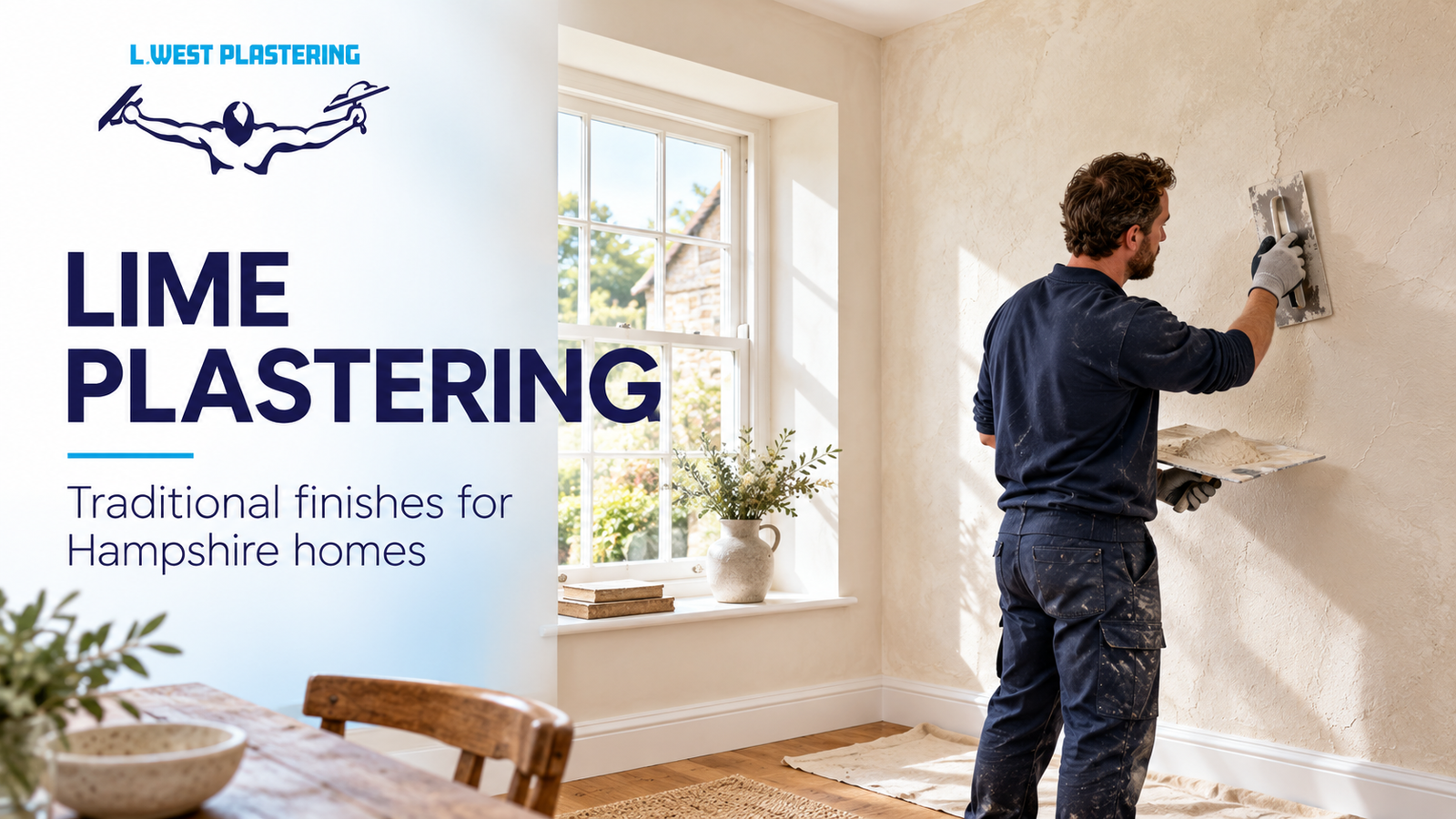
A Traditional Finish for Characterful Homes
Older walls often need materials that work with their existing construction. Choosing a finish simply because it looks smooth can overlook how the wall manages moisture and how new materials interact with the original building fabric.
At L West Plastering Ltd , we provide lime plastering for homeowners and builders in Eastleigh, Southampton, Winchester and the wider Hampshire area. With more than twenty years of experience, we help customers consider traditional finishes for renovation and restoration projects.
What Is Lime Plastering?
Lime plastering uses a lime-based binder, usually combined with suitable aggregates and, where specified, fibres. The appropriate mix and application depend on the background, existing materials and required finish.
Its appeal includes a natural appearance and compatibility with many traditional walls. Lime-based finishes can support moisture movement and drying when used as part of a suitable wall system, including compatible decoration.
What Does a “Breathable” Wall Finish Mean?
In building conservation, breathability describes how materials handle moisture rather than allowing a wall to breathe like a person. Permeable traditional finishes can absorb and release moisture as surrounding conditions change.
Lime plastering can contribute to this process, but the whole construction matters. External defects, unsuitable coatings and inadequate ventilation can still cause problems, even where an internal lime finish has been applied.
Compatible Materials
The background, plaster and decorative finish should work together. A suitable specification considers the existing wall rather than treating the final coat in isolation.
A Natural Appearance
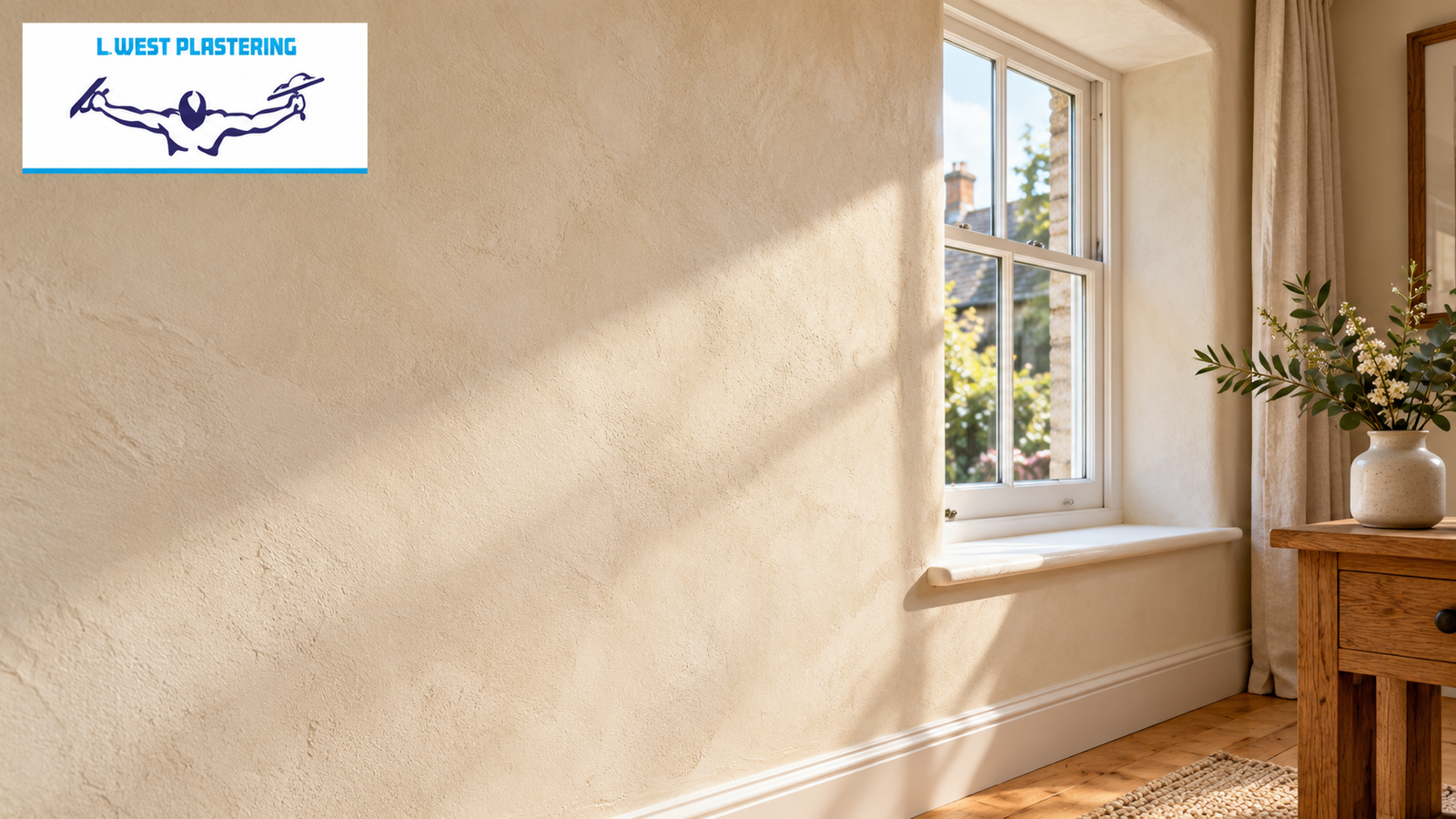
Lime can provide a softly textured or carefully finished surface. Agree the intended appearance before work begins, particularly where new plaster meets retained historic finishes.
Where Might a Lime Finish Be Suitable?
Lime plastering is worth considering where material compatibility and traditional character matter. Suitability should still be assessed for the particular wall, its condition and the proposed changes.
- Renovations and refurbishments: A project can provide an opportunity to assess existing finishes and choose materials suited to the wall beneath them.
- Older and heritage properties: Traditional construction may benefit from compatible lime-based repairs that respect the building’s established materials.
- Walls affected by moisture: Lime may form part of an appropriate repair strategy after the source of excess moisture has been investigated.
- Restoration work: Localised repairs can be planned around retained plaster, with the aim of preserving sound existing fabric.
- Extensions adjoining older walls: Discuss how new finishes will meet existing surfaces and whether visual continuity or different specifications are needed.
- Natural feature walls: A lime finish may suit a characterful interior where the agreed texture complements the room and its decoration.
Will Lime Plaster Solve Damp Problems?
Lime plastering should not be presented as a cure for every damp wall. Leaking gutters, plumbing defects, water penetration and ventilation problems require their own investigation and remedies. Covering the symptoms alone can leave the cause unresolved.
A suitable permeable finish can support drying, but a successful approach starts with understanding where the moisture comes from. Share the history of the problem and any previous treatments when discussing the work.
What to Discuss Before Work Begins
A clear conversation helps establish the scope of lime plastering and what happens afterwards. Photographs are useful for an initial enquiry, but they may not reveal the condition of the background.
- The property and existing wall: Explain its approximate age, construction if known, current finish and any previous repairs or recurring defects.
- Preparation and retained areas: Ask what will be repaired, removed or protected, and how the proposed work will connect with existing plaster.
- The finish and decoration: Agree the desired texture and ask which paints or other decorative treatments are compatible with the specification.
- Timing and aftercare: Discuss application stages, curing conditions and when decoration can begin. Avoid assuming a universal drying time.
Visit our lime plastering service page or use the contact page to share your location and project details.
Decorating Your Finished Walls
Decoration should preserve the benefits of the chosen plaster system. An unsuitable coating can restrict moisture movement, so select the paint or finish with the plaster specification in mind.
Ask for guidance before decorating and follow the product-specific instructions. Readiness depends on the materials, application and site conditions, rather than the surface simply appearing dry.
Frequently Asked Questions
Is lime only suitable for historic buildings?
It is widely associated with traditional construction, but other projects may also use it. The background, intended performance and finish should guide the specification.
Will a lime finish prevent all cracking?
No plaster finish can guarantee freedom from cracks. Background movement, preparation, application and curing conditions all influence the result.
Can existing plaster always be replaced with lime?
The existing wall and its coatings need assessment first. Some areas may need preparation or local repairs, while sound traditional plaster may be suitable for retention.
Which areas do you cover?
L West Plastering Ltd provides services in Eastleigh, Southampton, Winchester and the wider Hampshire area. Contact the team to discuss your location and requirements.
Discuss Your Walls with L West Plastering Ltd
Planning lime plastering for a renovation, restoration or characterful interior? Explore our traditional lime service and contact the team with details of your property and the finish you would like to achieve.

